Peloponnese

Peloponnese

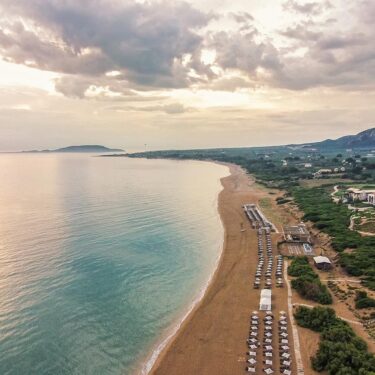
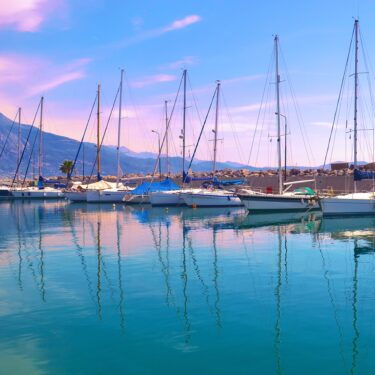
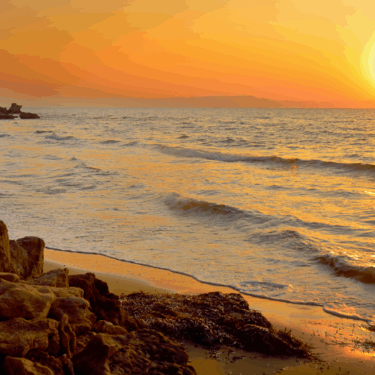
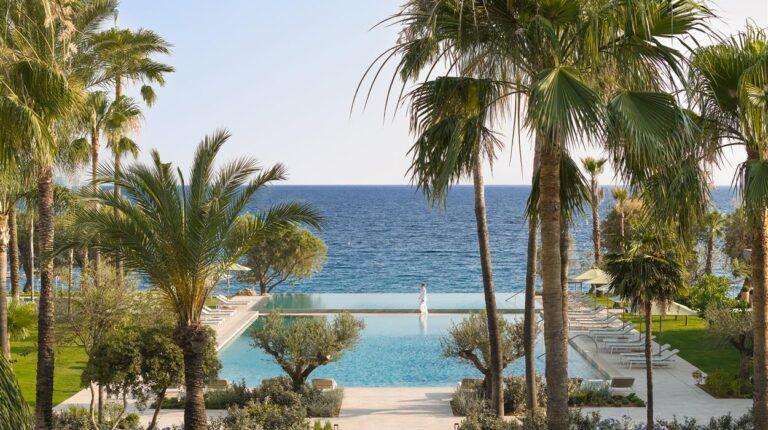
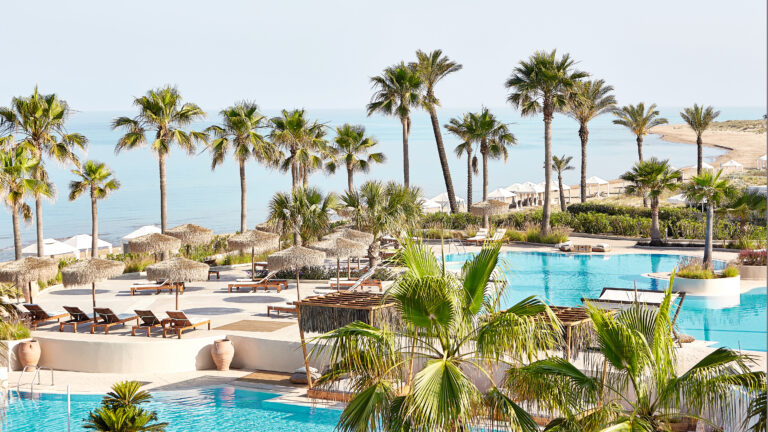
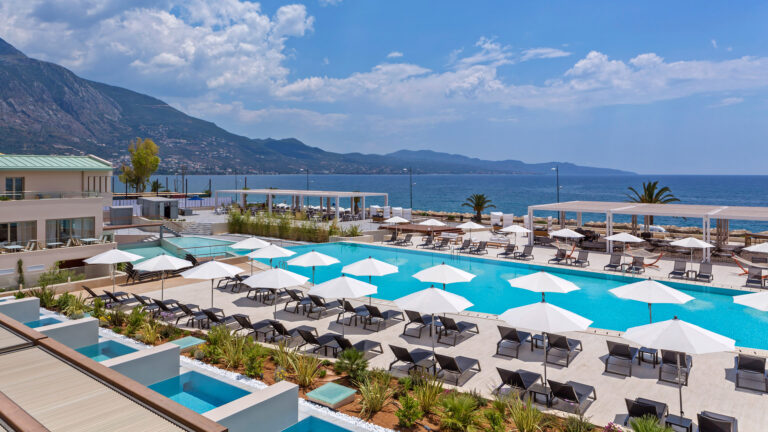
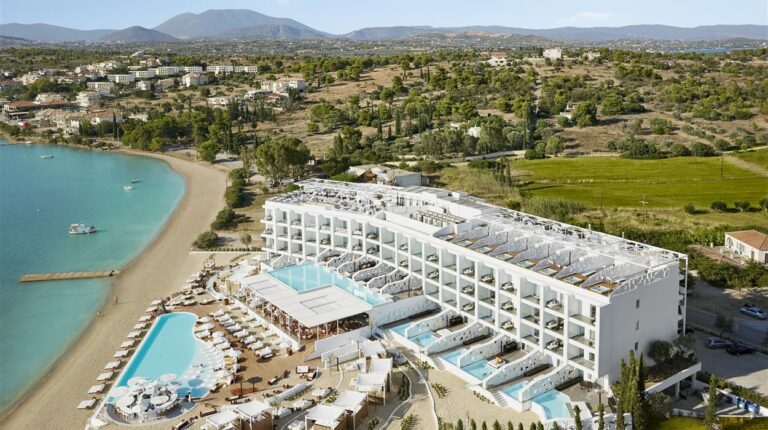
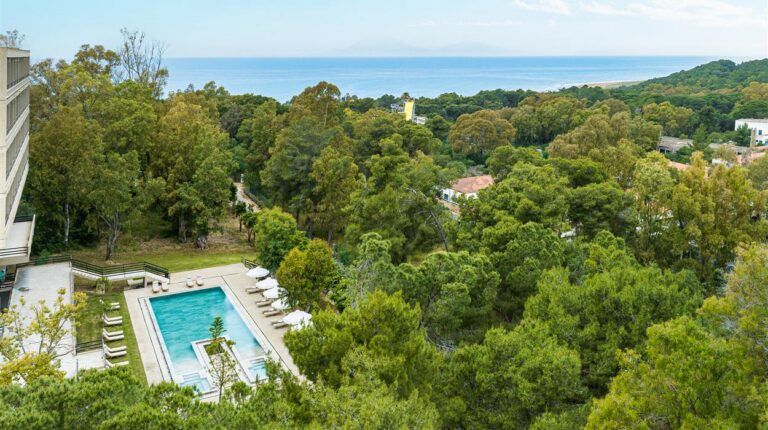
An ancient land of myth and legend, it combines a wealth of fascinating sites, rich in riveting history and set amid stunningly beautiful nature, to create an unbeatable holiday destination. The Peloponnese is the perfect mix of history, scenic landscapes, and gorgeous beaches, making it appealing to all. Its beautiful beaches overlook the sapphire-blue waters of the Aegean, Ionian, and Mediterranean Seas, making it ideal for a traditional seaside getaway. This complements the inland areas of exquisite natural beauty, with rolling green hills and spectacular gorges.

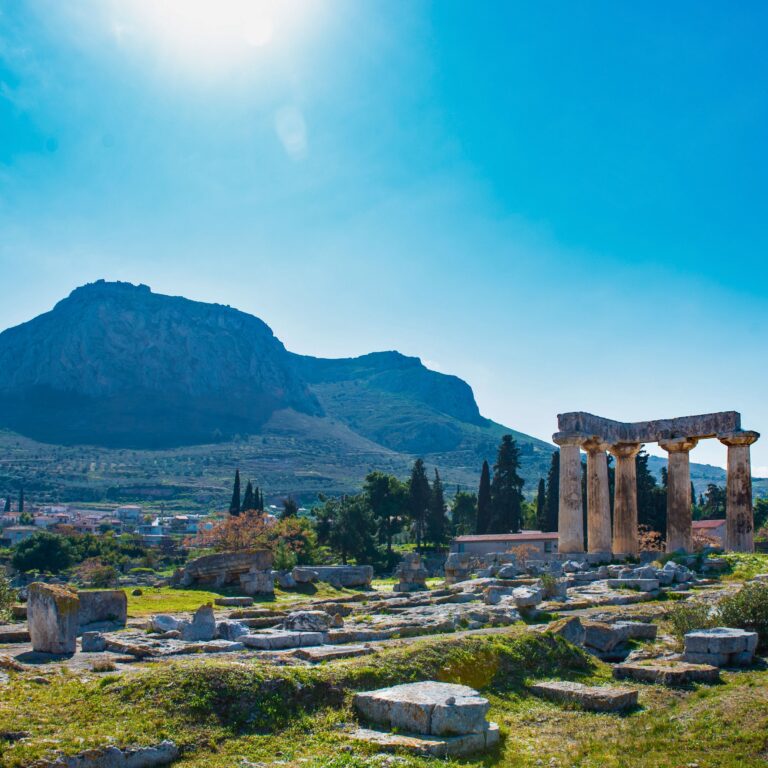
History comes alive in the Peloponnese, offering a wide range of historical sites where you can explore some of the most incredible cultures ever to have existed, including the warrior society of Sparta, their great rivals Argos, the influential Corinthians, and ancient Mycenae, which plays a vital role in the Iliad. It is also steeped in myth, with many of Heracles’ labours having taken place there, and Helen, the face that launched a thousand ships, being born in Sparta.

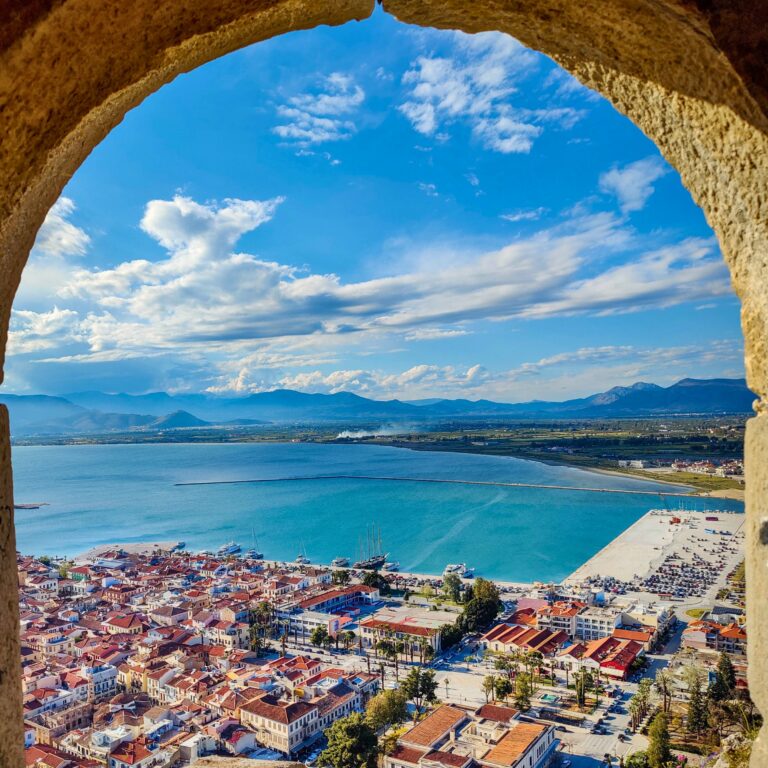
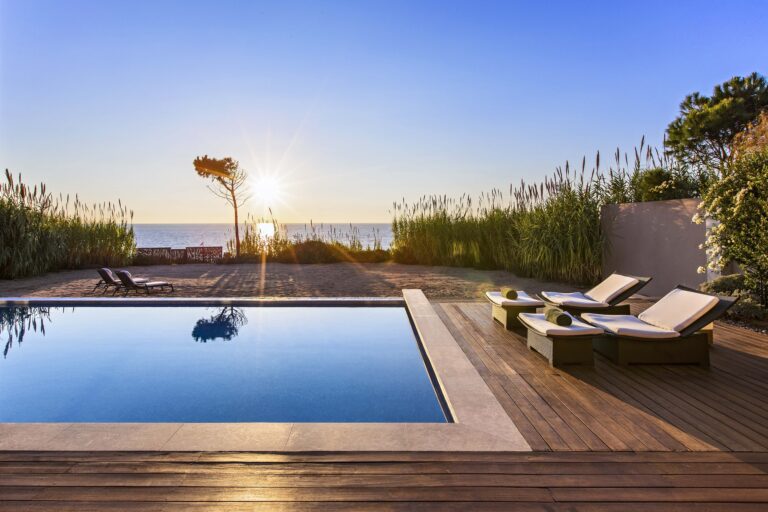
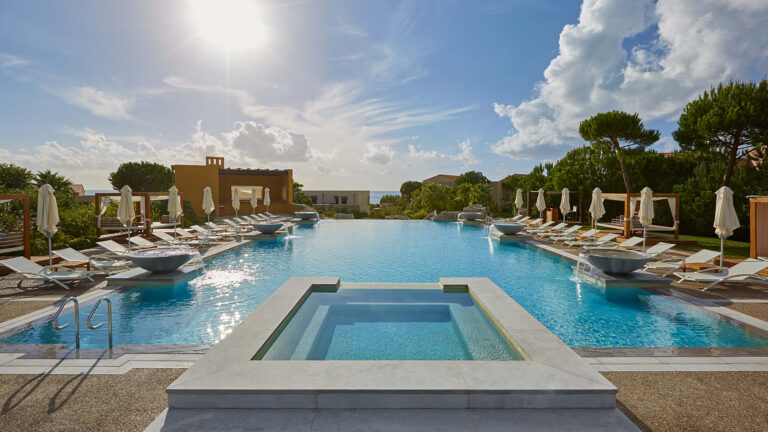
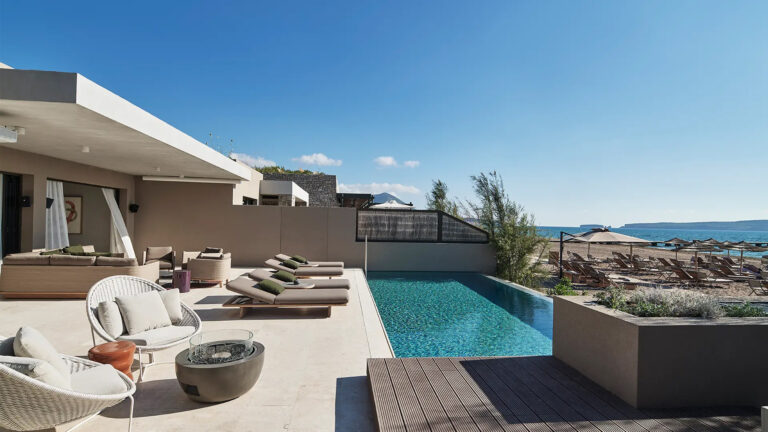
Other places to visit include the fortified citadel of Mycenae, the monasteries perched on cliff faces in Lousios Gorge, the lively islands of Spetses and Hydra, and the historic city of Nafplio. That’s just a handful of potential day trips, but with the favourable Greek weather and the stunning hotels, you might find yourself tempted to relax by the pool, enjoy the spa, and daydream about Arcadia.

The Peloponnese is divided into regions; the regions we offer are Eleia, Messinia, and Argolida. All of this makes the Peloponnese a fantastic holiday spot for both adults and families, blending excellent cuisine, fascinating history, and breathtaking nature.

At a Glance

Airports

Airports

Kalamata Airport (KLX)
Avg. Flight Time

Avg. Flight Time

3 Hours, 15 Minutes
Avg. Temperature

Avg. Temperature

30°C
Avg. Transfer Time

Avg. Transfer Time

30 Minutes
Time Zone

Time Zone

GMT +2
Currency

Currency

Euros
Language

Language

Greek
Population

Population

580,000

Cities/Towns

Top Holidays

InFocus

Location

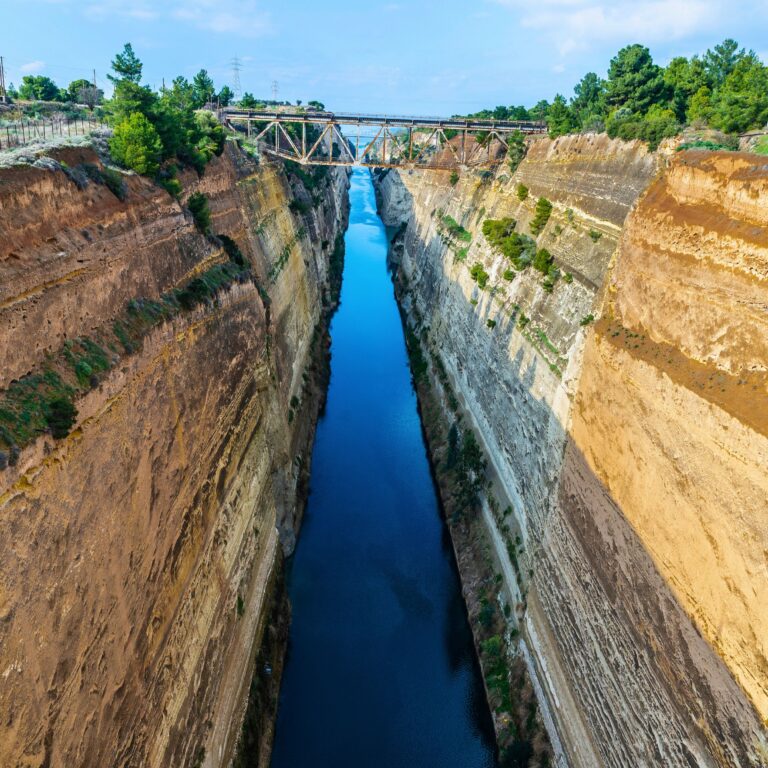
The Peloponnese is a peninsula in southern Greece, separated from the Greek mainland by the Isthmus of Corinth. It covers 21,550 square kilometres and has a population of approximately 1.1 million. The region is home to many remarkable sites that blend history and modernity. It was once home to iconic ancient cities such as Sparta, Corinth, and Argos, which are steeped in myth and legend, making the Peloponnese a wonderful holiday destination.

Weather

The region has a warm climate, with coastal areas typically slightly warmer than elevated locations. As a result, summer averages reach around 30 degrees Celsius, while winter temperatures are a comfortable 13 degrees Celsius. The ideal time to visit is in spring or summer, when the weather is hot, the seas are warm, and the great outdoors beckons.

History And Culture

The Peloponnese is widely regarded as one of the most important regions in Greek history and mythology. It was home to three of Greece’s most significant city-states: Corinth, Argos, and Sparta, along with others such as Messina and Mycenae. Of these, Sparta stands out as the most famous for its distinctive warrior culture, in which boys dedicated their lives to learning to fight. This was made possible by the enslavement of nearby Messina, whose people were reduced to Helots.

Sparta is perhaps best known for the legendary stand of the 300 at the Hot Gates of Thermopylae, where these brave hoplites sacrificed their lives to inspire the Greek cause against the Persians. Although they later defeated Athens in the Peloponnesian War, they were eventually conquered by Thebes in 371 BC.

The Peloponnese also plays a crucial role in Greek mythology. It is the setting for the stories of Agamemnon, the king of Mycenae and leader of the combined Greek forces in the Iliad; Helen, the woman whose beauty sparked the Trojan War and who hailed from Sparta; Jason, the hero who sought the Golden Fleece from Argos; and many of Heracles’ legendary labours. In essence, the Peloponnese is a place where myth and history come alive!

Cuisine

Kalamata, a small village in the Peloponnese, is renowned worldwide for its olive oil. Visitors to the region should not miss the chance to sample it. Pork and rabbit are two of the most popular meats in the area, often cooked with oregano, garlic, and olive oil. The region also boasts an abundance of oranges and lemons, commonly used in both sweet and savoury dishes. The Peloponnese is also famous for its wine, celebrated since ancient times. It’s a far cry from ‘Zomos,’ the Ancient Spartan blood soup, notorious in antiquity for its poor quality.

Family Activities

A historical wonderland, this place has the potential to inspire and fascinate children. It is home to some of the most distinctive ancient cultures ever to exist. Consider buying a book about Sparta, Argos, Corinth, or Homer’s Iliad, and watch these incredible tales come to life, enchanting your children during your family holiday. Additionally, the region boasts spectacular natural beauty, with rolling green hills and stunning beaches, making it ideal for families who love the great outdoors.

Tours And Attractions

The region’s rich history offers a wide range of incredible activities. You can visit the ruins of ancient Sparta and learn about its remarkable warrior culture, which was so confident in its fighting abilities that it chose not to build walls around its city. Next, head to the Isthmus of Corinth for a scenic canal boat ride that has been pivotal in shaping ancient history and political power. Explore castles perched on hills in remote locations, such as Palamidi, or visit ancient theatres to see traditional plays. Alternatively, you can simply relax on the beach while surrounded by stunning natural beauty.

Events And Festivities

The Epidaurus Greek Festival takes place in the ancient theatre of Epidaurus on weekends throughout July and August. The festival features performances of ancient Greek drama, a variety of concerts, and local dance shows. The Festival of Argos-Mycenae runs from June to August and includes theatrical performances, concerts, dance, lectures, and thematic evenings that draw on ancient culture. Lastly, the Carnival of Patras is the largest carnival in Greece, lasting forty days. However, the best time to visit is the Saturday before Lent, when there is a large parade and the traditional burning of the Carnival King.

Entertainment

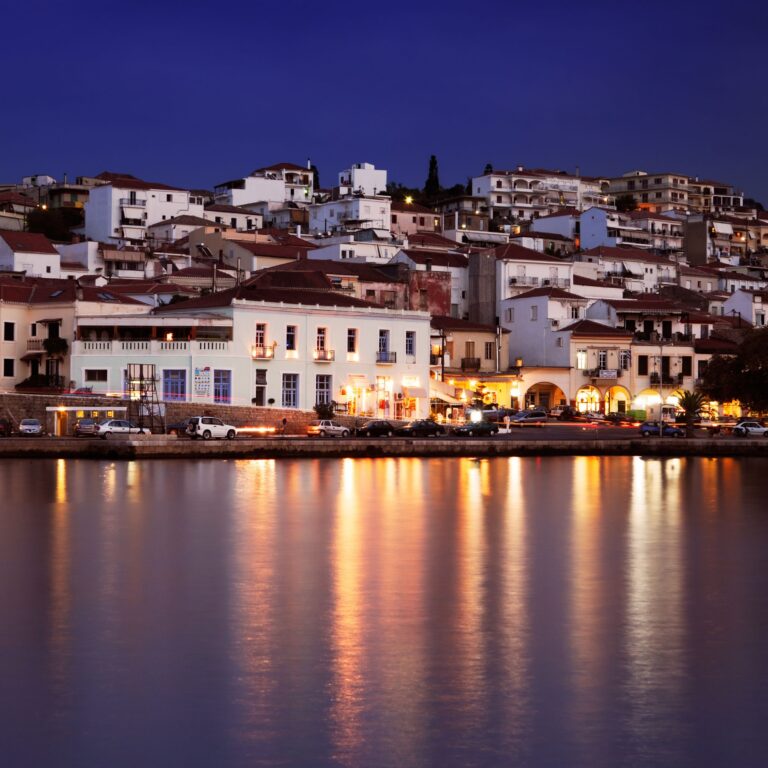
The nightlife is characterised by a peaceful, romantic atmosphere, often enjoyed in rustic taverns that offer delicious local cuisine, stunning views, and a relaxed vibe. In coastal areas, you’ll find numerous trendy bars that typically stay open late, offering beautiful sea views. For a livelier experience, Pylos and Kalamata are the go-to destinations, with bars that stay open until the early hours.

Map